IV Therapy
Methylene Blue in St. Augustine: A Provider-Supervised Guide
Methylene blue is a long-studied compound that researchers have explored for its effects on mitochondrial function and cellular energy. It is FDA-approved only for a specific blood disorder, not for energy, focus, or longevity, so any wellness use should be low-dose and provider-supervised. It also carries real interaction risks, especially with antidepressants. At InnerWorks in St. Augustine we treat methylene blue as a provider-supervised wellness option that begins with a medical review, never a self-serve supplement.

Methylene blue has moved from a century-old laboratory dye to a topic people now ask about by name in wellness clinics. If you searched for methylene blue in St. Augustine, you have probably seen big claims about energy, brain function, and longevity. Some of that interest is grounded in real research, and some of it has run far ahead of the evidence. This guide separates the two so you can have a calmer, better-informed conversation with a provider.
At InnerWorks: Performance & Wellness, we offer methylene blue only inside a supervised framework, alongside other physician-supervised options like medical ozone therapy. It is not a product we hand out, and it is not appropriate for everyone.
What Is Methylene Blue?
Methylene blue is a synthetic compound first made in the 1800s and used in medicine for well over a century. Its only FDA-approved medical use today is treating methemoglobinemia, a condition where the blood cannot carry oxygen normally. That approval is narrow and specific. Everything else discussed under the wellness banner falls outside that approval and should be understood that way.
What makes it interesting to researchers is its behavior inside cells. At low concentrations, methylene blue can act as an electron carrier, which is why it keeps showing up in studies of mitochondria, the structures that produce most of your cellular energy.
How Does Methylene Blue Work in the Body?
The short, honest answer is that the mechanisms are still being studied. The leading theory is that, at low doses, methylene blue can support the mitochondrial electron transport chain by shuttling electrons and helping cells generate energy more efficiently. The U.S. National Institutes of Health catalogs methylene blue’s pharmacology and its established and investigational uses in detail through PubChem, which is a good neutral starting point.
A crucial nuance is the dose-response curve. Methylene blue appears to behave very differently at low versus high concentrations, which is one reason self-dosing with unregulated products is risky. More is not better, and the same compound that may support cellular function at a small dose can become a stressor at a larger one.
Why the Mitochondrial Angle Gets So Much Attention
Mitochondrial function is tied to how we experience energy, stamina, and recovery. That is also why people who feel persistently drained look for options. If low energy and fatigue are your main concern, the more productive first step is usually identifying the cause, which can range from sleep and thyroid issues to nutrient gaps, rather than reaching for a single compound.
Is Methylene Blue Safe?
Methylene blue is not a casual supplement. Its most important safety issue is drug interaction. Methylene blue has serotonergic activity, and combining it with antidepressants such as SSRIs, SNRIs, or MAOIs can trigger serotonin syndrome, a potentially serious reaction. People with G6PD deficiency, certain kidney concerns, or who are pregnant also need to avoid it without specific clearance.
There is also a quality problem in the consumer market. Industrial or aquarium-grade methylene blue is not made for human use and may contain contaminants. Pharmaceutical-grade material, correct dosing, and a medication review are the difference between a supervised option and a genuine hazard. This is the core reason we keep it inside a clinical setting.
Methylene Blue Versus Other Cellular-Energy Options
Patients frequently ask us to compare methylene blue with NAD+ therapy, since both are framed around mitochondrial and cellular energy. They are not interchangeable. They have different mechanisms, different research depth, and different safety profiles. The right choice, if any, depends on your goals and history, which is a conversation worth having in person rather than settling from a blog or a social media clip.
What to Expect at a St. Augustine Consultation
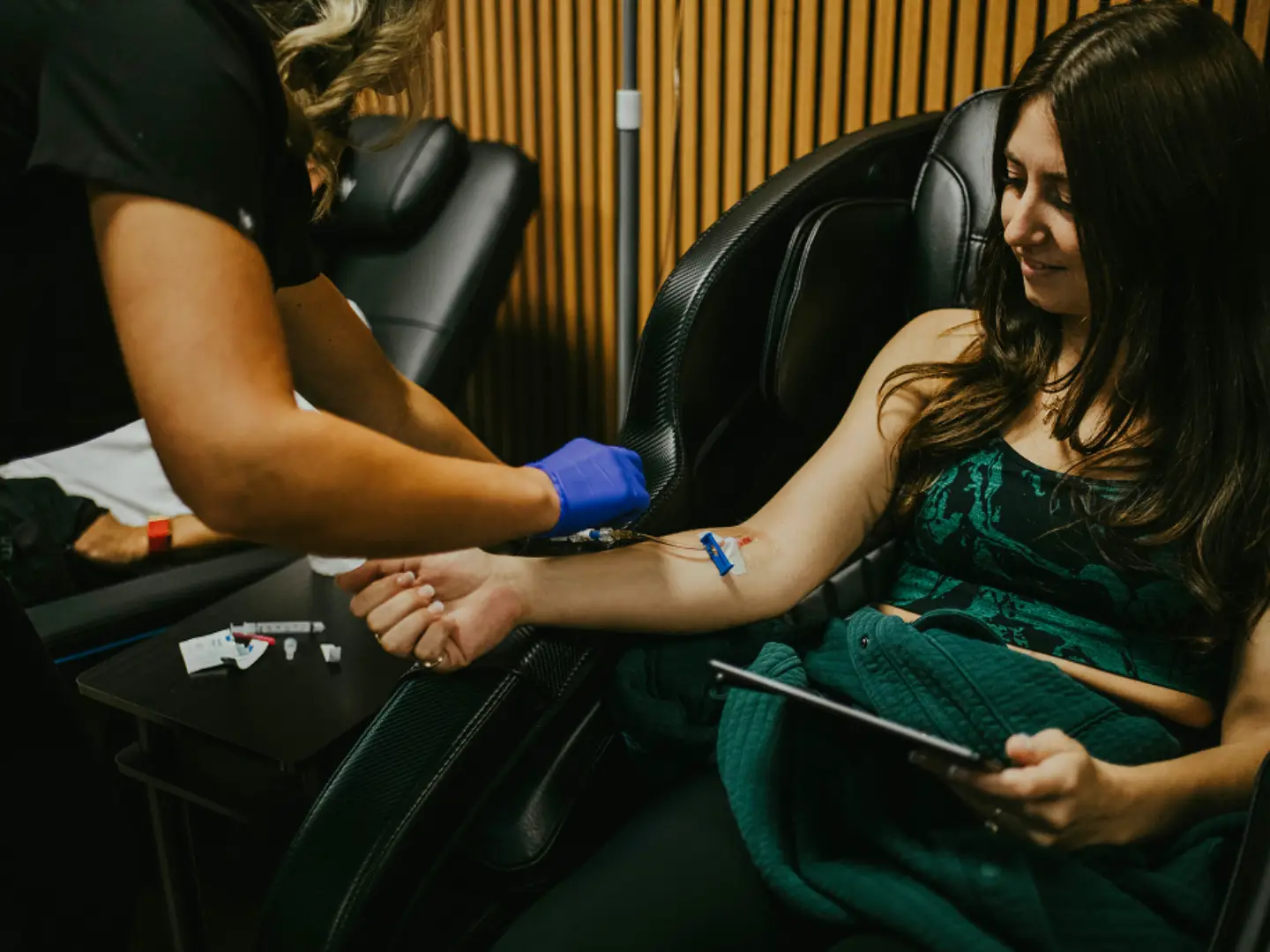
If you want to explore methylene blue with us, the visit starts with questions, not a syringe. We review your full medication list, screen for the interactions above, and talk through what you are actually trying to improve. From there we can tell you honestly whether methylene blue is reasonable, whether another supervised option fits better, or whether the smarter move is testing to find the underlying cause first.
That measured approach is the point. Methylene blue is a genuinely interesting compound with real research behind parts of the story, and it is also one that deserves respect for its risks. A provider-supervised path in St. Augustine lets you explore it without gambling on dosing or interactions.
Medical methylene blue and related protocols at InnerWorks are offered as provider-supervised wellness support, not as FDA-approved treatments and not as a cure for any condition.
Frequently Asked Questions
Is methylene blue FDA-approved for energy or cognitive support?
No. Methylene blue is an FDA-approved pharmaceutical for a specific blood condition called methemoglobinemia, but it is not FDA-approved for energy, focus, longevity, or general wellness. At InnerWorks we discuss it only as a provider-supervised wellness option, never as a cure or a guaranteed result.
How is methylene blue used in a wellness setting?
When used at all, it is used in low, pharmaceutical-grade doses under medical supervision, after a review of your medications and health history. Dosing, timing, and whether it is appropriate for you are clinical decisions, not something to self-experiment with using aquarium-grade or unregulated products.
Who should avoid methylene blue?
Methylene blue can interact dangerously with antidepressants and other serotonergic medications, raising the risk of serotonin syndrome. People taking SSRIs, SNRIs, MAOIs, or who have G6PD deficiency, kidney concerns, or are pregnant should not use it without specific medical clearance. This is exactly why a provider review comes first.
What is the difference between methylene blue and NAD+ therapy?
Both are discussed in the context of cellular energy, but they work differently and the research base differs. Many patients ask us to compare them side by side before choosing, which is why we walk through goals, history, and the current evidence during a consultation rather than recommending one by default.
Can I get methylene blue in St. Augustine without a consultation?
Not with us. Because of the medication interactions involved, any methylene blue conversation at InnerWorks starts with a provider consultation at our St. Augustine clinic so we can confirm it is safe and appropriate before anything else.
Ready to take the next step?
Schedule a consultation with our St. Augustine team, or explore the supervised service behind this guide.